ZONE Brain
トップ/コラム/脳科学ニュース
脳科学ニュース2026年4月18日

今週の脳科学ニュース【2026年4月第3週】


ZONE Brain は、脳波を可視化して「あなただけのととのう瞬間」をサポートするサービスです。瞑想・集中・睡眠——科学的なエビデンスとスピリチュアリティの両方を大切にしながら、あなたがゾーンに入る瞬間を脳波データで記録・習慣化します。今週も、脳科学の最前線をお届けします。


🧠 印刷で作れる人工ニューロンが生きた脳細胞と「会話」に成功

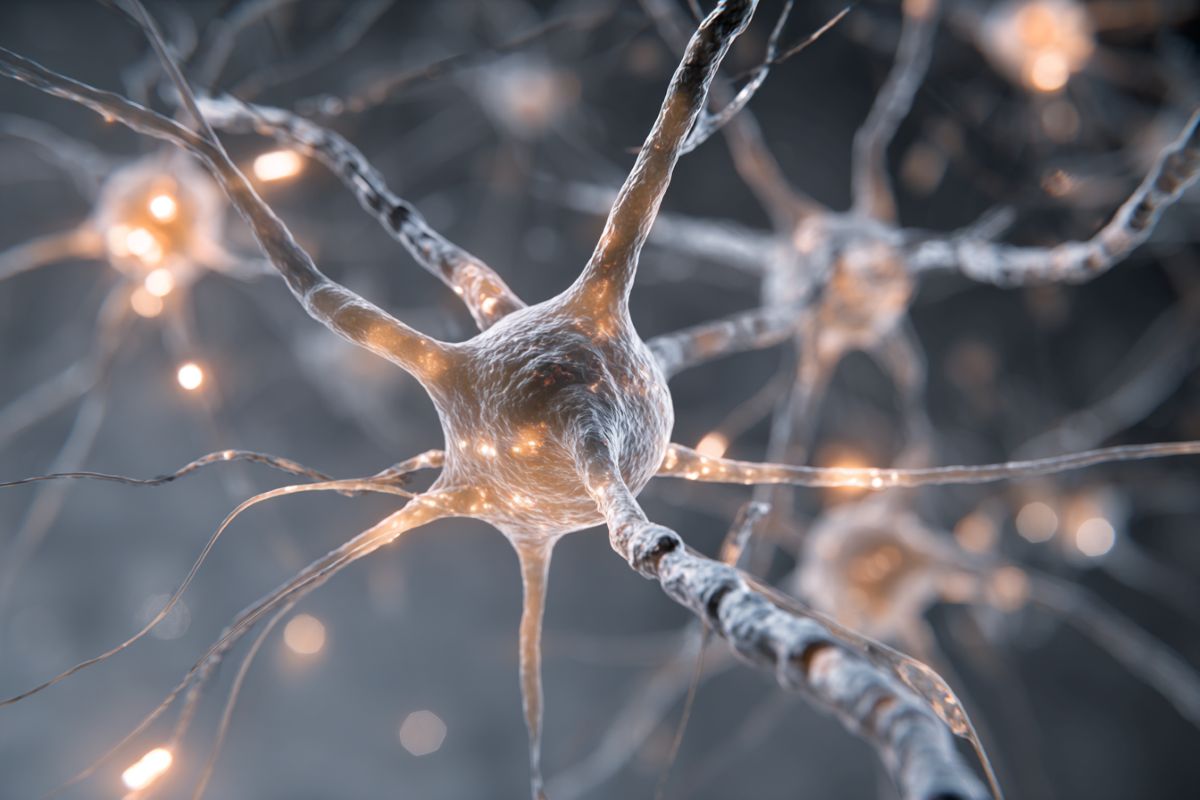
印刷可能な人工ニューロン(ノースウェスタン大学)
出典:Northwestern University

ノースウェスタン大学の研究チームが、印刷で作れる人工ニューロン(神経細胞を模倣した回路)が、実際の生きた脳細胞と電気信号で通信することに世界で初めて成功したと発表しました。

▶︎ 研究チームは二硫化モリブデン(MoS₂)やグラフェンといったナノ素材のインクを使い、エアロゾルジェット印刷という特殊な方法で柔らかいフィルム上に神経回路を作製しました。シリコンチップとは違い、素材自体が柔軟で生体組織になじみやすいのが特長です。

▶︎ このデバイスは、ニューロンが情報を伝える3種類の信号パターン(単発パルス・連続発火・バースト発火)を再現できることも確かめられました。マウスの脳組織に接触させた実験では、生きているニューロンがはっきりと応答することも確認されました。

▶︎ 将来的な応用先として、視覚・聴覚・運動機能を補助するニューロプロテシクス(神経補助器具)や、脳とコンピューターをつなぐ脳機械インターフェース(BMI)への活用が期待されています。消費電力が非常に低い点も注目されており、AIチップ分野への転用も視野に入ります。

Printed neurons communicate with living brain cells
Printed artificial neurons generate realistic brain-like signals that activate living neurons. Approach could lead to bioelectronics that communicate directly with the brain and energy-efficient, brain-inspired computing.
news.northwestern.edu
Printable Artificial Neurons That "Talk" to Living Brain Cells - Neuroscience News
Can artificial neurons talk to the brain? Printable, MoS2-based neurons that trigger responses in living mouse brain tissue.
Neuroscience News


🤖 Science Corp.が世界初の「生体ハイブリッドBCI」を人の脳に埋め込みへ

Science Corp.の生体ハイブリッドBCI(TechCrunch)
出典:TechCrunch

元Neuralink共同創業者のMax Hodak氏が率いるScience Corp.が、合成エレクトロニクスと生きたニューロンを融合させた「生体ハイブリッドBCI(脳コンピューターインターフェース)」を人体に初めて埋め込む準備が整ったと明らかになりました。

▶︎ このBCIは、デバイスの中に実験室で培養したニューロンを組み込み、光パルスで刺激する仕組みです。埋め込まれたニューロンが患者の脳内のニューロンと自然につながることで、生物と電子回路の「橋」として機能することを目指しています。

▶︎ 同社はイェール大学医学部神経外科学科長のMurat Günel医師を医療ディレクターとして迎え、手術体制を整えました。2026年3月には2億3000万ドル(約340億円)の大型資金調達も完了し、企業評価額は15億ドルに達しています。

▶︎ Neuralink・Synchron・Science Corp.と、脳への直接接続技術(BCI)を持つ企業が人体試験で競い合う構図が鮮明になってきました。「機械の中に生きた細胞を組み込む」という発想は業界に新しい視点をもたらしており、BCIの次の進化を占う重要な一手となりそうです。

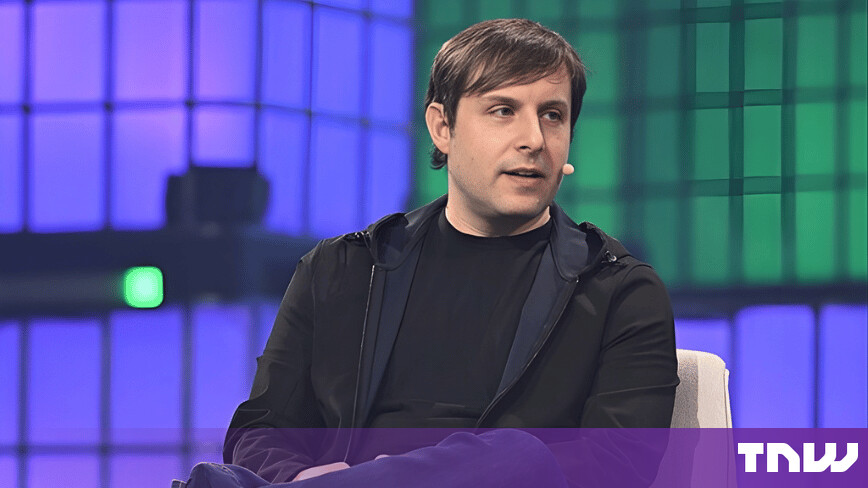
Max Hodak’s Science Corp. is preparing to place its first sensor in a human brain | TechCrunch
The device could help address multiple neurological conditions if it proves successful. One early use could be delivering gentle electrical stimulation to damaged brain or spinal cord cells to encourage healing.
TechCrunch
Science Corp prepares first human brain sensor placement with Yale neurosurgeon
Ex-Neuralink president Max Hodak's Science Corp will place a 520-electrode sensor on a human cortex during existing brain surgery, led by Yale's Murat Günel. Trials may begin in 2027.
TNW | Health-Tech


🧘 たった7日間の瞑想で脳が「書き換わる」。免疫も代謝も変化

7日間の瞑想で脳が変化(ScienceDaily)
出典:ScienceDaily

カリフォルニア大学サンディエゴ校(UC San Diego)の研究チームが、わずか7日間の瞑想リトリート(合宿形式の修行)で、脳・免疫・代謝に測定できる変化が起きることを明らかにしました。

▶︎ 35人の成人が、呼吸法・ボディスキャン・オープンモニタリングなど複数の瞑想技法を1週間集中的に実践しました。前後のMRI脳スキャンを比較したところ、学習・記憶・感情制御に関わる領域の灰白質(情報処理を担う組織)の体積が増加し、注意力と感覚処理に関わるネットワークのつながりも強くなっていることが分かりました。

▶︎ 血液検査では免疫反応の活性化と、体内で自然に作られる鎮痛物質の増加も確認されました。複数の瞑想技法の生物学的効果をまとめて測定した初めての研究とされています。

▶︎ さらに驚くことに、脳の活動パターンが薬物を使わずにサイケデリクス(幻覚剤)に似た状態を示したことも報告されました。長期の継続が必要と思われていた瞑想の効果が、短期間で現れる可能性を示す研究として注目されています。

ZONEでは、瞑想中の脳波をリアルタイムで可視化し、あなたがどのタイミングで「ゾーン」に入れているかを記録できます。 今回の研究が示すように、脳は短期間でも変化します。その変化を「見える化」することが、継続のモチベーションになります。

Scientists say 7 days of meditation can rewire your brain
A single week of intensive meditation and mind-body practices led to measurable changes across the brain and body. Researchers observed improved brain efficiency, boosted immune signaling, and increased natural pain relief chemicals in participants’ blood. The effects even promoted neuron growth and stronger brain connectivity. Surprisingly, the experience mirrored psychedelic-like brain states—without any drugs involved.
ScienceDaily
What happens to your brain after seven days of meditation?
Scientists noted that the findings show conscious experience and physical health are intertwined, and can be harnassed to promote well-being in new ways.
euronews


🔬 脳の老化を引き起こす「FTL1タンパク質」を特定。マウスで記憶力回復に成功
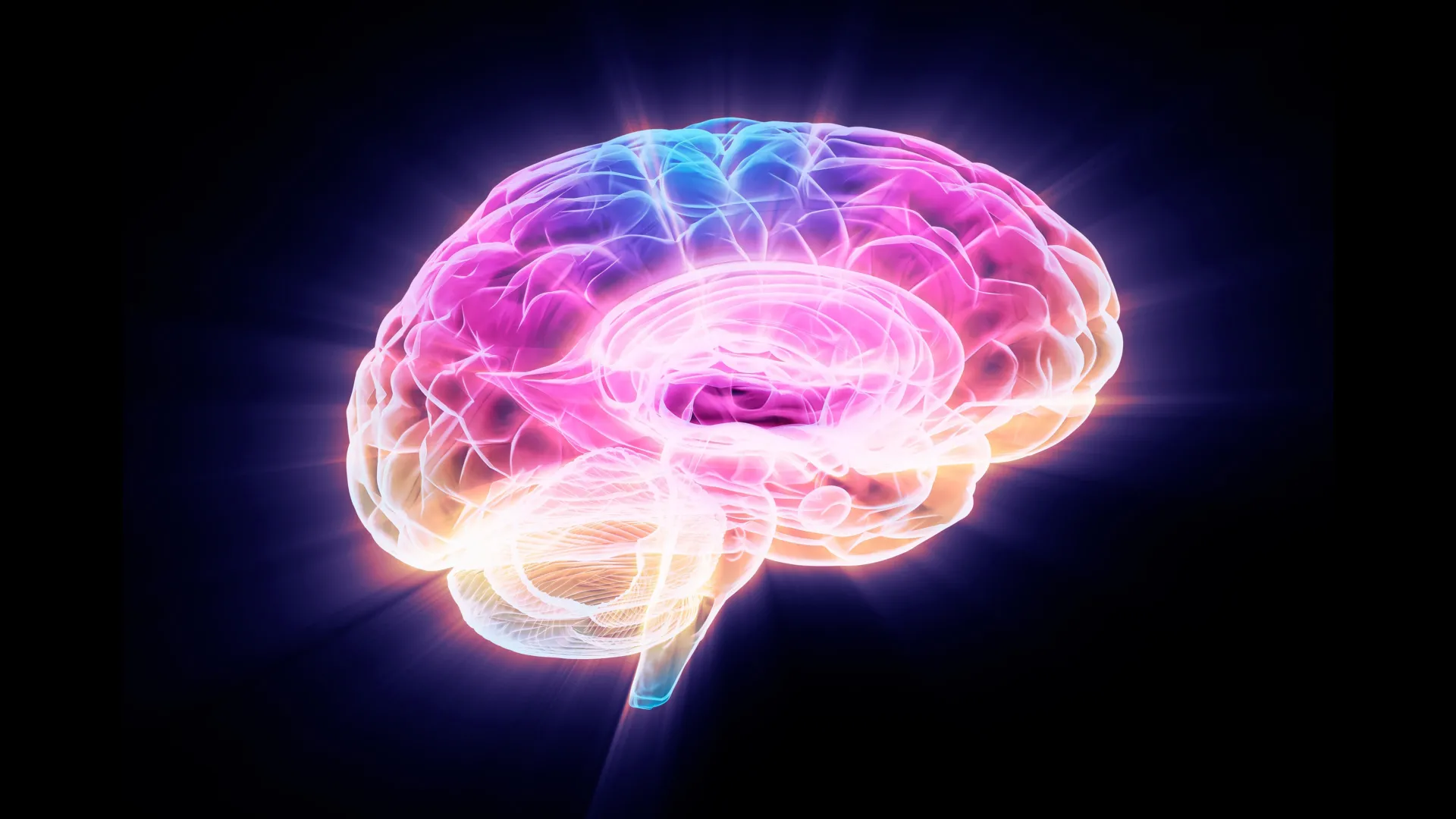
脳の老化とFTL1タンパク質(ScienceDaily)
出典:ScienceDaily

カリフォルニア大学サンフランシスコ校(UCSF)の研究チームが、脳の老化と記憶力低下の鍵を握るタンパク質「FTL1(フェリチン軽鎖1)」を特定し、これを減らすことで老齢マウスの記憶力が回復することが明らかになりました。

▶︎ FTL1は鉄と結びつく性質のタンパク質で、学習や記憶の形成に深く関わる海馬(脳の記憶中枢)に多く存在します。老齢マウスでは若いマウスよりFTL1が多く、その分だけニューロン間のつながり(シナプス)が弱まり、記憶テストの成績も低下していたことが分かりました。

▶︎ 実験でFTL1を人工的に減らしたところ、老齢マウスのシナプスのつながりが増加し、記憶テストの成績も改善しました。さらに細胞のエネルギー代謝(ミトコンドリアの働き)を高める化合物を投与することで、FTL1増加による悪影響を防げることも示されました。

▶︎ マウスの研究がそのまま人間に当てはまるわけではありませんが、FTL1を標的にした治療薬の開発が進められており、認知症やアルツハイマー病の新しい治療アプローチにつながる可能性が示されています。

Scientists found a protein that drives brain aging — and how to stop it
Scientists have uncovered a powerful new clue in the mystery of brain aging: a single protein called FTL1. In aging mice, higher levels of this protein weakened connections between brain cells and led to memory decline. But when researchers reduced FTL1, something remarkable happened — the brain began to recover, rebuilding lost connections and restoring memory performance.
ScienceDaily
Targeting iron-associated protein Ftl1 in the brain of old mice improves age-related cognitive impairment - Nature Aging
The authors identify ferritin light chain 1 (FTL1), an iron-associated protein, as a pro-aging neuronal factor that increases with age and promotes cognitive decline. Targeting FTL1 in the brain improved cognition in old mice.
Nature


🧬 腸内細菌の「毒性糖」がALSと前頭側頭型認知症を引き起こす新経路を発見

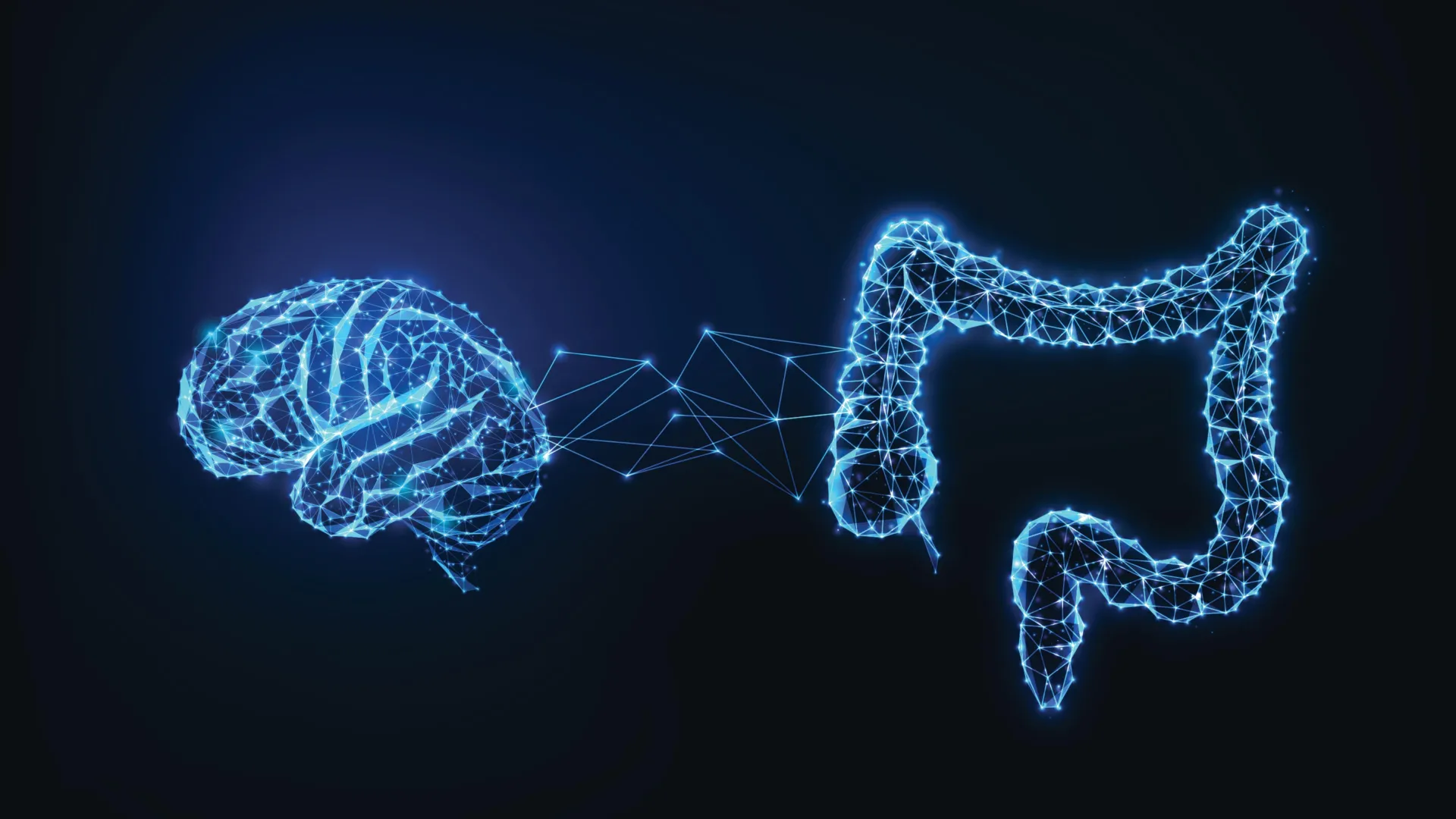
腸と脳のつながり(ScienceDaily)
出典:ScienceDaily

ケースウェスタン・リザーブ大学の研究チームが、腸内細菌が作り出す炎症性グリコーゲン(糖の一種)が脳の免疫系を過剰に活性化させ、ALS(筋萎縮性側索硬化症)と前頭側頭型認知症(FTD)の発症を引き起こす新しい経路が明らかになりました。

▶︎ 研究のカギとなったのは「C9orf72」という遺伝子変異です。これはALSとFTDの最もよくある遺伝的な原因ですが、同じ変異を持っていても発症しない人もいます。今回の研究では、ALS・FTD患者23人のうち70%の腸内で、有害なグリコーゲンが高レベルで検出されました。健常者では約3人に1人程度でした。

▶︎ 通常、C9orf72タンパク質はこの毒性グリコーゲンへの免疫反応を抑える役割を担っています。変異によってこの抑制機能が失われると、腸内細菌の糖が引き金となって脳の炎症が止まらなくなる仕組みであることが分かりました。

▶︎ 実験では毒性グリコーゲンを分解する処置によって脳の状態が改善し、マウスの寿命も延びました。研究チームは1年以内に臨床試験を開始できる可能性があるとしており、「腸から脳の病気を治療する」という新しい医療アプローチへの期待が高まっています。
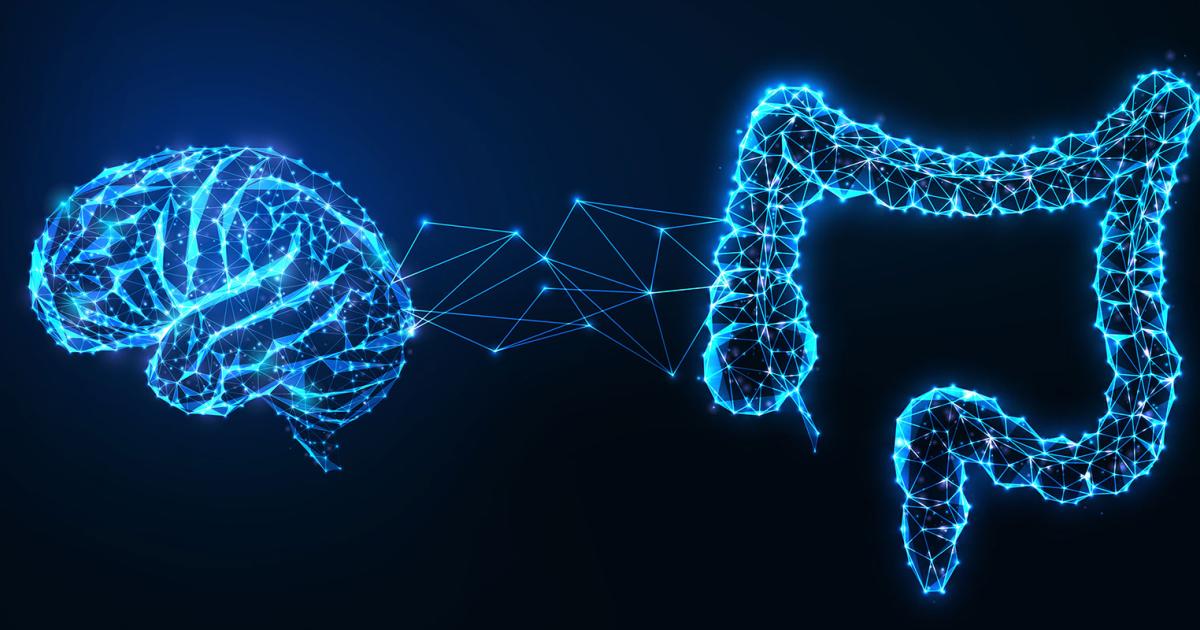
Scientists discover hidden gut trigger behind ALS and dementia
A new study reveals that gut bacteria may play a key role in triggering ALS and frontotemporal dementia. Harmful sugars produced by these microbes can spark immune responses that damage the brain. This breakthrough explains why some genetically at-risk people develop the diseases while others don’t. Even more promising, reducing these sugars improved brain health in experiments, hinting at new treatment possibilities.
ScienceDaily
New gut-brain discovery offers hope for treating ALS and dementia | CWRU Newsroom | Case Western Reserve University
A significant discovery by Case Western Reserve University researchers could change how doctors treat two of the most devastating neurodegenerative di...
CWRU Newsroom | Case Western Reserve University


🌟 脳は意識を「生み出す」のではないかもしれない。コッホ博士が挑む意識の根本問題
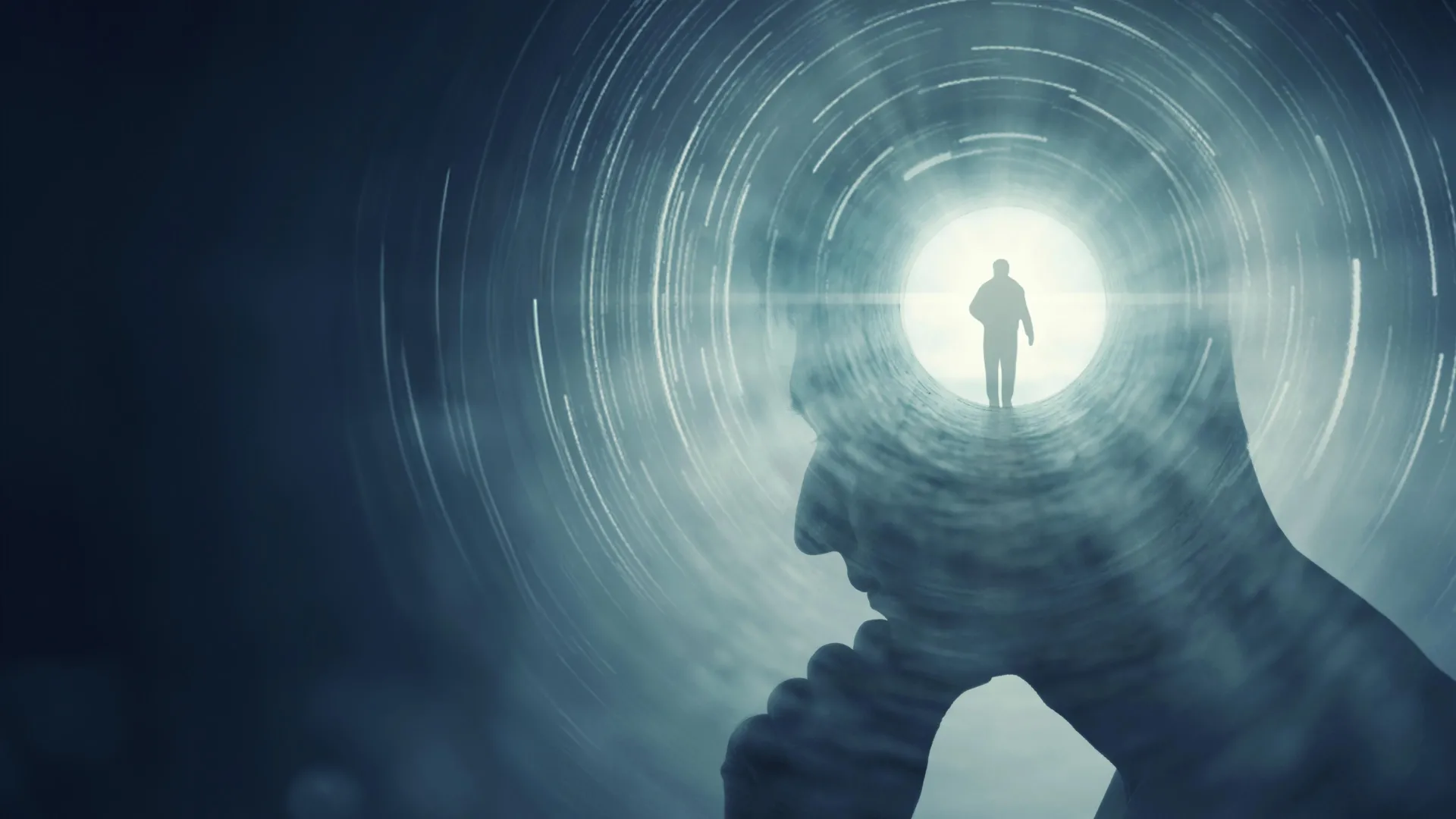
意識と脳の謎(ScienceDaily)
出典:ScienceDaily

著名な神経科学者クリストフ・コッホ博士が、ポルトガルで開催されたBial財団主催のシンポジウムで、「脳が意識を生み出す」という科学の前提には重大な穴があると指摘しました。

▶︎ 意識研究の最大の難問は「ハードプロブレム」と呼ばれています。なぜ物理的な脳の処理から、喜び・痛み・色の赤さといった「主観的な体験」が生まれるのか、科学はいまだに説明できていません。

▶︎ コッホ博士は「意識は脳の単純な"出力"ではなく、宇宙のより深い構造から来る"インプット"かもしれない」と示唆しました。2025〜2026年にかけての実験では、COGITATE試験・脳のバイオフォトン観測・分割脳研究・量子場モデルなどが物質主義的な意識理論を実証的に検証しています。

▶︎ 意識研究は今、神経科学・哲学・量子物理学・AI・瞑想研究が交わる領域として急速に広がっています。ZONEが向き合うテーマ——「人がゾーンに入る瞬間とは何か」——も、まさにこの問いの延長線上にあります。

The brain might not create consciousness after all
Is consciousness something the brain produces, or is it woven into the fabric of reality itself? Renowned neuroscientist Christof Koch is challenging long-held scientific assumptions by confronting the “hard problem” of consciousness — why and how subjective experience exists at all. He highlights growing tensions between neuroscience, physics, and unexplained phenomena like near-death experiences and sudden moments of clarity before death.
ScienceDaily


📝 まとめ

今週は、脳とテクノロジーの融合が急加速する動きと、脳の健康を守るための多角的なアプローチの両方が注目されました。

プリント人工ニューロンとScience Corp.の生体ハイブリッドBCIは「生物と機械の境界を溶かす」方向に進んでいます。一方で、FTL1タンパク質・腸内細菌・短期瞑想といった研究は、薬や手術に頼らない脳の健康法の可能性を広げています。そして意識の本質という根本的な問いに科学が本気で向き合い始めた今、脳科学は私たちの「存在」そのものを問い直す領域へと広がり続けています。


ZONE Brainは、脳波を可視化することで「あなただけのととのう瞬間」を見つけるサービスです。 今回の瞑想研究が示すように、脳は思った以上に短期間で変化します。その変化を脳波データとして記録し、あなた自身のパターンを積み重ねていくことで、ゾーンに入りやすい状態が見えてきます。

→ ZONEのサービスを見る

← コラム一覧に戻る